
Integrating Technology in Healthcare Management: Innovations and Best Practices


Introduction to Technology in Healthcare
The integration of technology in healthcare management has revolutionized the way medical services are delivered. From streamlining administrative tasks to enhancing patient care, technology is reshaping the healthcare landscape. In this blog post, we'll explore some of the most innovative technologies and best practices in healthcare management.

Electronic Health Records (EHR)
One of the most significant advancements in healthcare technology is the adoption of Electronic Health Records (EHR). EHR systems allow for the digital storage and retrieval of patient information, making it more accessible for healthcare providers. This shift not only enhances the efficiency of data management but also improves patient care by reducing errors and facilitating better communication among medical professionals.
Benefits of EHR
The benefits of EHR are numerous, including:
- Improved patient care: EHRs provide comprehensive patient histories, leading to more informed decision-making.
- Increased efficiency: Automating record-keeping saves time and reduces administrative burdens.
- Enhanced security: Digital records are more secure and easier to manage than paper-based systems.
Telemedicine
Telemedicine is another groundbreaking innovation that has gained traction, especially during the COVID-19 pandemic. By utilizing video conferencing and other digital tools, healthcare providers can deliver remote consultations, increasing access to care for patients in remote or underserved areas.

Advantages of Telemedicine
Telemedicine offers several advantages, such as:
- Convenience: Patients can receive care without traveling long distances.
- Cost-effectiveness: Reduces the need for physical infrastructure and associated costs.
- Improved access: Provides opportunities for patients who might otherwise face barriers to healthcare.
Artificial Intelligence in Healthcare
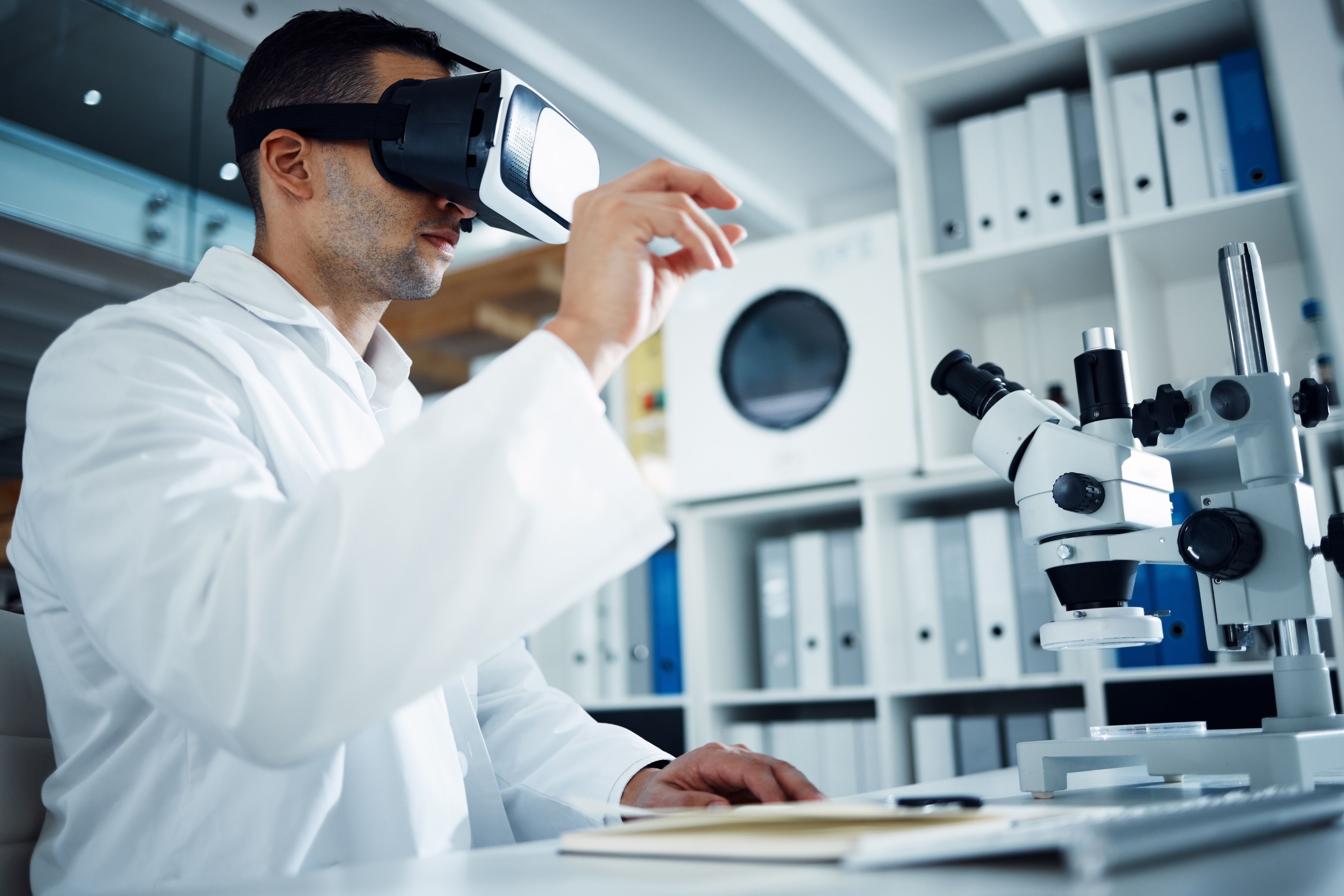
Artificial Intelligence (AI) is playing a pivotal role in healthcare management. From predictive analytics to personalized treatment plans, AI technologies are enabling healthcare providers to deliver more precise and effective care. AI can analyze vast amounts of data quickly, identifying patterns that might be missed by human analysts.
AI Applications
Some applications of AI in healthcare include:
- Diagnosis: AI tools can assist in diagnosing diseases through image analysis and pattern recognition.
- Predictive analytics: Helps in forecasting patient outcomes and potential health risks.
- Personalized medicine: AI-driven insights allow for tailored treatment plans based on individual patient data.
Best Practices for Integrating Technology
For successful integration of technology in healthcare management, organizations should consider the following best practices:
Training and Support
Providing comprehensive training and support for healthcare professionals is crucial. Ensuring that staff are comfortable with new technologies will enhance adoption and utilization.
Patient Engagement
Engaging patients in the technology adoption process can lead to better outcomes. Encouraging feedback and involvement helps in tailoring solutions to meet patient needs.
Data Security
With the increased use of digital tools, maintaining data security and patient privacy is paramount. Implementing robust cybersecurity measures ensures that sensitive information remains protected.
Conclusion
Integrating technology in healthcare management offers tremendous potential to improve efficiency, accessibility, and quality of care. By embracing innovations and adhering to best practices, healthcare organizations can enhance both operational performance and patient outcomes. The future of healthcare is undeniably intertwined with technological advancement, and the journey is just beginning.